
Thermoplastic Olefin roofing provides a reliable and energy efficient solution for your home or business. When you work with a TPO roofing company in San Francisco, you gain access to specialized knowledge in single-ply membranes crafted from polypropylene and ethylene-propylene rubber. You benefit from a reflective surface that reduces solar heat gain and resists UV degradation. By exploring the key features of TPO roofing, you can make informed decisions that align with your budget and performance goals.
Benefits of TPO Roofing for San Francisco Properties
One of the foremost benefits of TPO roofing is its energy efficiency. The bright membrane reflects sunlight and minimizes heat absorption. You will notice cooler interior temperatures during warm periods and enjoy lower utility bills. For commercial properties, this translates to reduced operating costs and enhanced comfort for employees and customers. Residential property owners experience similar savings, especially during the long summer days and occasional heat waves.
TPO membranes often carry high Solar Reflectance Index ratings. A higher rating means more heat reflected away from your building envelope. This performance can qualify you for energy rebates through local utilities or city incentive programs. You may recover a portion of your installation expense from programs offered by PG&E or San Francisco’s Green Building Fund, improving your return on investment over the roof’s lifespan.
Durability and Weather Resistance in an Urban Setting
TPO roofing excels at withstanding San Francisco’s diverse weather conditions. Its flexible membrane accommodates building movement, preventing cracks over time. You can rely on its puncture and tear resistance in high-traffic rooftop areas. This material also stands up to heavy rains and coastal fog without losing integrity. When you choose certified installers, proper seam welding ensures a watertight barrier on flat or low-slope surfaces, giving you peace of mind.
The material’s resistance to mold and algae growth also helps preserve its reflective properties. In neighborhoods prone to morning fog, surface biology can dull other roof types. TPO’s smooth surface minimizes dirt and organic matter accumulation, meaning fewer cleaning cycles over the years. Its life expectancy often exceeds 20 years when maintained properly, making it a cost-effective choice for long-term performance.
Selecting Your TPO Roofing Company in San Francisco
Choosing the right partner for your project is just as important as selecting the membrane itself. You want a TPO roofing company in San Francisco that holds manufacturer certifications, follows industry best practices, and stands behind its work with robust warranties. These credentials signal that the contractor has undergone rigorous training and adheres to consistent quality standards.
A professional team prioritizes on-site safety through proper fall protection and equipment calibration. This focus on safety not only protects workers but also helps maintain project schedules and budgets. A reliable contractor will also carry adequate liability and workers’ compensation insurance, shielding you from unexpected liabilities.
Key Factors to Consider When Selecting Your Contractor
Experience and expertise are paramount when evaluating roofing partners. You want a team that understands local building regulations, permitting requirements, and job site safety protocols. Verifying licensing and insurance protects you in the event of accidents or damage during installation. Clear communication and detailed written proposals help set expectations and avoid misunderstandings. Discussing project timelines and payment schedules upfront fosters a transparent working relationship.
Reputation matters too. Seek out third-party review platforms such as Yelp or Google Business Profile to read genuine customer feedback. High ratings combined with detailed testimonials about professionalism and quality workmanship provide peace of mind. You can also ask for project galleries that showcase completed installations, giving you a real-world view of the contractor’s capabilities.
Step By Step Overview of The TPO Roofing Installation Process
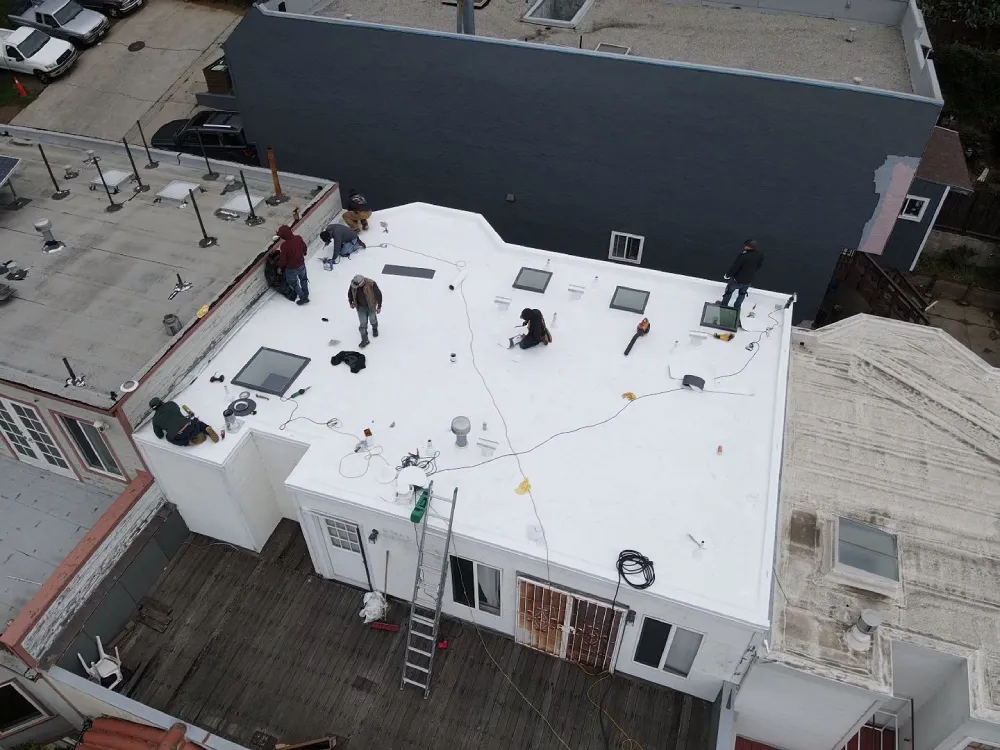
Preparation begins with a thorough inspection of the existing roofing substrate and necessary repairs to decking or supports. Next, an insulation layer is installed to maximize thermal performance and provide a smooth surface. The TPO membrane is then unrolled and aligned carefully over the insulation panels. Technicians secure the membrane mechanically or using adhesives approved by the manufacturer. Heat-welding equipment is used to seal seams, creating a continuous waterproof barrier. Flashing is applied around edges, penetrations, and transitions. A final inspection validates seam integrity, flashing installation, and overall workmanship.
Typical installation timelines range from two to five days for a standard residential flat roof. Commercial installations may require one to two weeks depending on project scale. Your contractor will coordinate material deliveries, equipment staging, and on-site safety measures to minimize disruption. A well-planned schedule ensures that your property remains functional throughout the process.
Maintenance Tips for Longevity and Performance
Regular maintenance will extend the lifespan of your TPO roof. Schedule annual roof inspections to identify punctures, seam separations, or clogged drainage systems. You should keep the surface clear of debris, leaves, and other materials that could trap moisture. Gently clean the membrane with mild detergent and water to preserve reflectivity. Check heat-welded seams and flashing around vents or skylights. Promptly repair any damaged sections to prevent minor issues from becoming major leaks.
Consider a biannual maintenance plan if your building is located near heavy tree cover or in wind-blown coastal zones. These areas accumulate debris faster and expose the membrane to salt spray. A periodic professional tune-up can involve seam testing with infrared scans and membrane weld integrity checks. Investing in preventative care will save on costly repairs and preserve warranty validity.
Common Myths and Misconceptions About TPO Roofing
You may hear that TPO roofing only suits commercial buildings or is prone to leaks. Properly installed TPO membranes serve residential properties equally well and provide robust waterproofing when seams are heat-welded correctly. Some believe TPO roofing costs more than alternatives. In reality, its ease of installation and low maintenance requirements often make it more cost effective over the roof’s lifetime. Knowing the facts helps you select roofing based on performance and value rather than misconceptions.
Other myths include ideas that TPO cannot withstand extreme temperatures or that it fades quickly. Modern membrane formulations resist UV degradation far better than early generations of TPO. Quality manufacturers back this performance with twenty year or longer warranties on material integrity and energy savings, giving you confidence in your investment.
Understanding TPO Roofing Costs and Budgeting
Estimating total project costs involves several variables. Roof size, membrane thickness, and insulation R-value influence material expenses. Labor charges vary depending on roof complexity, height, and local market rates. You should obtain detailed quotes from at least three contractors to compare line-item pricing for membrane, insulation, tear off, and permitting fees. Accounting for potential substructure repairs or additional flashings ensures your budget covers all necessary work and prevents unexpected overruns.
Typical installed costs range from six to ten dollars per square foot for residential applications and can vary up to twelve dollars per square foot for premium membranes or complex commercial structures. Many property owners choose to finance their investment through green building loans or energy efficiency financing programs that spread the cost over time while still benefiting from immediate utility savings.
By obtaining detailed quotes from different TPO roofing companies in San Francisco you can compare services and pricing competitively. Looking at multiple proposals side by side also helps you identify value-added services such as extended inspections, post-installation maintenance plans, or emergency roof patrols.
Making an Informed Choice for Your TPO Roofing Needs
Selecting a qualified San Francisco roofing contractor directly impacts project success. Prioritize certified installers with proven experience on similar properties in your neighborhood. Confirm licensing, insurance, and warranty coverage in writing before work begins. Opt for teams that embrace sustainable practices and responsible waste disposal. A reliable contractor will guide you through every phase, from initial consultation to final inspection, delivering a TPO roof that meets your energy, durability, and aesthetic objectives.
Get Started on Your TPO Roof Upgrade with San Francisco Roofing Contractors
We at San Francisco Roofing Contractors are ready to guide you through every step of selecting and installing a high-performance TPO roof. Contact us today for a customized assessment and let us help you achieve long-term energy savings, enhanced protection, and total peace of mind with our expert services.