
A roof is one of the most expensive and important parts of a home, yet many homeowners rarely think about it until problems appear. Planning maintenance, budgeting for upgrades, and protecting property value all depend on knowing how long a roof will last. In a city like San Francisco, environmental conditions make that question even more important.
Coastal moisture, salt air, heavy fog, and seasonal winds create a challenging environment for roofing materials. These factors can gradually weaken protective layers, accelerate corrosion, and shorten durability compared to inland regions. Many homeowners only begin researching roof longevity after they notice leaks, missing shingles, or visible aging.
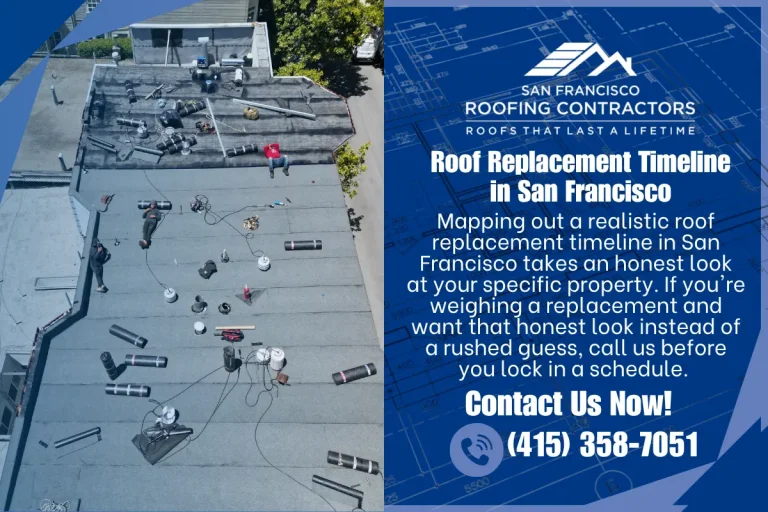
Understanding the roof lifespan San Francisco homes can expect helps property owners make proactive decisions rather than reacting to emergencies. People planning long-term maintenance often look into roof life expectancy San Francisco data and study the roof replacement timeline San Francisco contractors recommend to avoid costly surprises.
Understanding Roof Lifespan in San Francisco
Why Roof Longevity Varies by Property
No two roofs age at the same rate. Older homes may have structural limitations that affect ventilation or drainage, while newer buildings may use modern materials designed for coastal durability. Sun exposure varies by neighborhood, and homes closer to the ocean experience more salt air and moisture.
Maintenance history also plays a major role. A roof that receives regular inspections and minor repairs will often outlast one that is ignored. Installation quality matters just as much. Improper flashing, poor sealing, or inadequate ventilation can reduce durability from the very beginning.
Average Roof Lifespan in the Region
In general, residential roofs in the Bay Area last between 20 and 50 years depending on materials and upkeep. Coastal environments often shorten that range because moisture and wind accelerate wear. Understanding the typical roof lifespan San Francisco properties experience allows homeowners to plan for maintenance cycles and eventual replacement before damage spreads indoors.
Typical Lifespan by Roofing Material
Asphalt Shingle Roofs
Asphalt shingles remain the most common roofing material for residential properties due to affordability and versatility. With proper maintenance, these roofs often last 20 to 30 years. However, they are vulnerable to wind uplift and moisture intrusion, which can reduce durability in coastal neighborhoods.
Metal Roofs
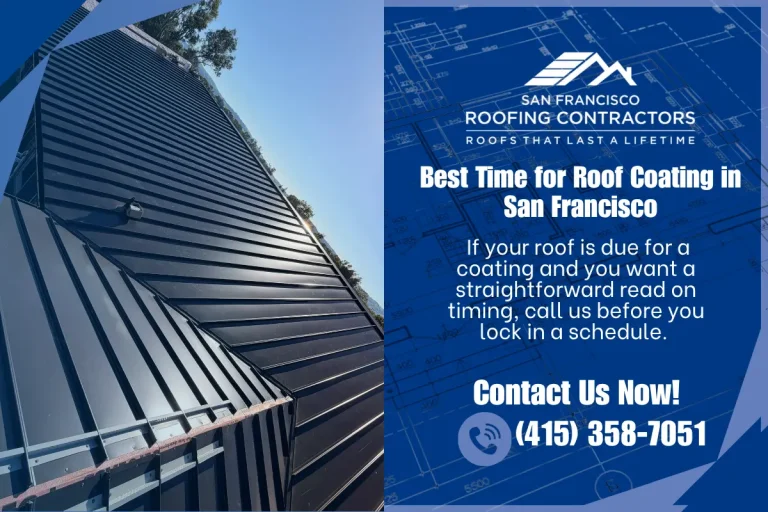
Metal roofing offers strong corrosion resistance and can last 40 to 70 years when properly installed. It performs well in wet climates because it sheds water efficiently and resists mold growth.
Tile and Clay Roofs
Clay and concrete tiles are durable and visually distinctive. They can last 50 years or more, but their weight requires a strong structural foundation. Cracked tiles must be replaced promptly to prevent water intrusion.
Slate Roofs
Slate is considered a premium roofing material with exceptional longevity, sometimes exceeding 75 years. Installation requires specialized expertise, which increases initial cost but delivers long-term performance.
Flat and Low-Slope Roof Systems
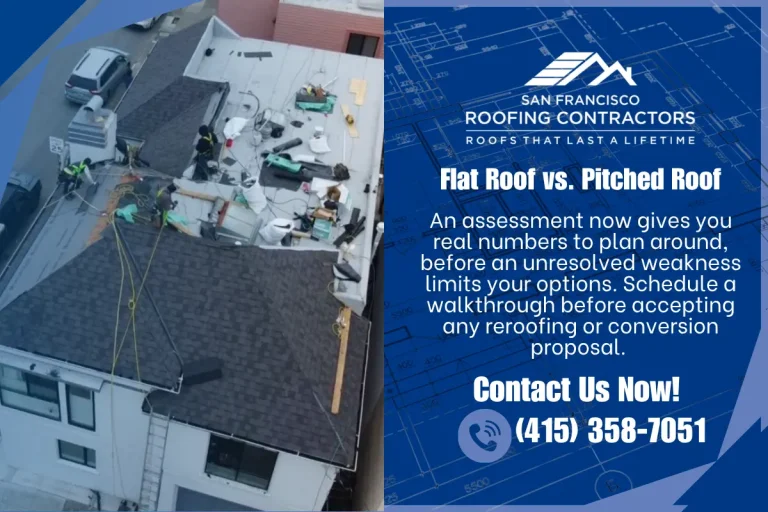
Flat roofs are common in urban San Francisco architecture. These systems rely on membranes or modified bitumen layers rather than traditional shingles. Their durability varies widely, which is why homeowners often research roof life expectancy San Francisco reports for flat roofing systems before planning upgrades.
Environmental Factors That Affect Roof Longevity
Coastal Weather Conditions
Persistent fog keeps roofs damp for extended periods, encouraging moss growth and material breakdown. Salt air can corrode metal components, while seasonal storms test the integrity of flashing and fasteners.
Temperature Fluctuations
Daily heating and cooling cycles cause materials to expand and contract. Over time, this movement can weaken seals and create small gaps where water enters.
Sun Exposure and UV Damage
Even in a foggy city, ultraviolet radiation gradually breaks down roofing materials. Prolonged sun exposure dries out shingles and makes them brittle.
Air Pollution and Debris
Urban pollutants and airborne particles accumulate on roof surfaces. Leaves and debris can trap moisture, accelerating deterioration if not removed regularly.
The Role of Installation Quality
Importance of Professional Installation
Proper installation ensures tight seals, correct flashing placement, and adequate ventilation. These elements prevent moisture buildup and extend durability.
Building Codes and Compliance
San Francisco has strict construction standards designed to protect buildings from earthquakes, wind, and moisture. Permits and inspections help ensure roofing work meets safety requirements.
How Poor Installation Shortens Roof Life
Mistakes such as improper nailing patterns, inadequate underlayment, or blocked ventilation pathways can cause premature failure. Even high-quality materials cannot compensate for poor workmanship.
Maintenance and Its Impact on Roof Lifespan
Routine maintenance significantly extends service life. Regular inspections allow professionals to identify small issues before they become major repairs. Cleaning gutters prevents water from backing up under shingles, while prompt repairs stop minor damage from spreading.
Removing moss, algae, and debris also protects surfaces from moisture retention. With consistent care, homeowners can maximize the roof lifespan San Francisco properties are capable of achieving despite challenging environmental conditions.
Warning Signs That a Roof Is Near the End of Its Life
Interior warning signs include ceiling stains, peeling paint, or musty odors that suggest hidden moisture. Exterior indicators such as curling shingles, missing materials, sagging sections, or worn flashing often signal structural deterioration.
When repairs become frequent and costly, replacement may be more economical. Many homeowners begin researching the roof replacement timeline San Francisco specialists recommend at this stage to avoid sudden failures during storms.
How to Estimate Your Roof Replacement Timeline
Age remains the most reliable predictor of remaining service life. Comparing the current age of a roof with expected material lifespan provides a baseline estimate. However, condition matters just as much as age.
Professional inspections assess structural integrity, moisture damage, and ventilation performance. Based on these findings, contractors can provide guidance on the roof replacement timeline San Francisco homes typically follow, allowing owners to budget and schedule work strategically.
Extending the Life of Your Roof
Preventive maintenance remains the most effective way to delay replacement. Routine inspections catch problems early, while timely repairs preserve structural integrity. Improving attic ventilation reduces trapped heat and moisture, which are major causes of premature deterioration.
Trimming overhanging branches minimizes debris accumulation and storm damage risk. When replacement eventually becomes necessary, selecting durable materials designed for coastal conditions can significantly improve future longevity.
When Replacement Becomes the Best Option
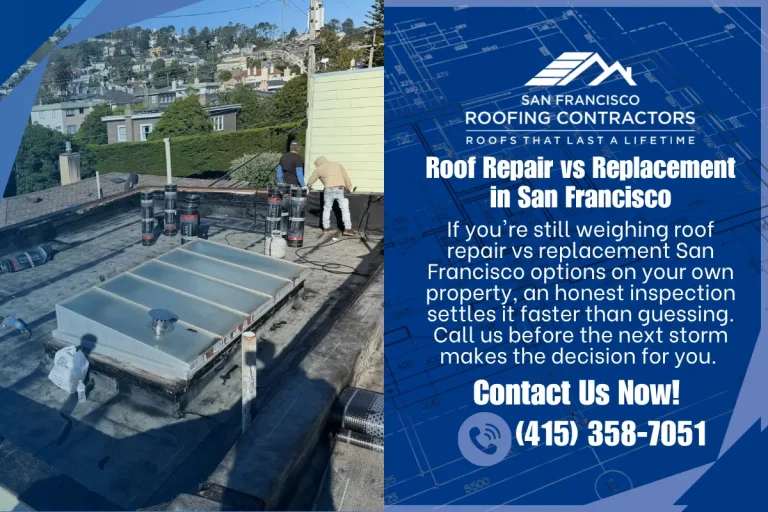
Severe structural damage, persistent leaks, or widespread deterioration often make replacement the safest choice. Continuing to repair an aging roof can become more expensive than installing a new system.
Protecting the interior of the home is another critical factor. Water intrusion can damage insulation, drywall, and electrical systems. Evaluating roof life expectancy San Francisco data alongside current condition helps homeowners decide when replacement offers better long-term value than ongoing repairs.
Choosing a Roofing Contractor in San Francisco
Local experience matters because contractors familiar with coastal conditions understand how fog, salt air, and wind affect materials. Verifying licensing and insurance protects homeowners from liability, while reviewing past projects reveals workmanship quality.
Reputable companies also offer warranties that cover both materials and labor. These guarantees provide peace of mind and protect the investment for years to come.
Why Professional Evaluation Matters
A professional inspection provides an accurate assessment of remaining service life and identifies hidden issues that may not be visible from the ground. Experts can distinguish between cosmetic wear and structural problems, helping homeowners choose between maintenance and replacement.
Understanding the true roof lifespan San Francisco homes can achieve allows property owners to make informed decisions that protect both safety and property value.
Roof longevity depends on a combination of materials, environment, installation quality, and maintenance practices. In San Francisco’s coastal climate, moisture and wind create additional challenges that make proactive care essential.
Regular inspections and timely repairs prevent minor issues from escalating into major damage. By planning ahead and maintaining realistic expectations about roof lifespan San Francisco conditions allow, homeowners can avoid emergencies and protect their investment.
Professional guidance ensures that decisions about repair or replacement are based on accurate assessments rather than guesswork, ultimately preserving the home’s structural integrity and value.
Schedule Your Professional Roof Evaluation Today
Your roof protects everything beneath it, and waiting for visible damage can lead to costly repairs. Understanding the roof replacement timeline San Francisco homes typically follow helps you plan ahead instead of reacting to emergencies.
We provide detailed inspections, honest recommendations, and long-term solutions tailored to local conditions. If you want clarity about your current system and the remaining roof lifespan San Francisco properties can achieve, San Francisco Roofing Contractors is ready to help.
Contact us today to schedule a comprehensive evaluation and protect your home with confidence.