
Many San Francisco homeowners begin researching roof replacement expecting one simple answer. Instead, they often receive estimates that differ by thousands of dollars. One contractor may recommend a straightforward replacement, while another identifies structural concerns, drainage issues, or hidden moisture damage.
The reason is simple: every roof tells a different story. When homeowners search for the tile roof replacement cost in San Francisco, they are usually looking for a number. However, a reliable estimate depends on the details beneath the surface, from the roof’s design to the condition of the materials protecting the home.
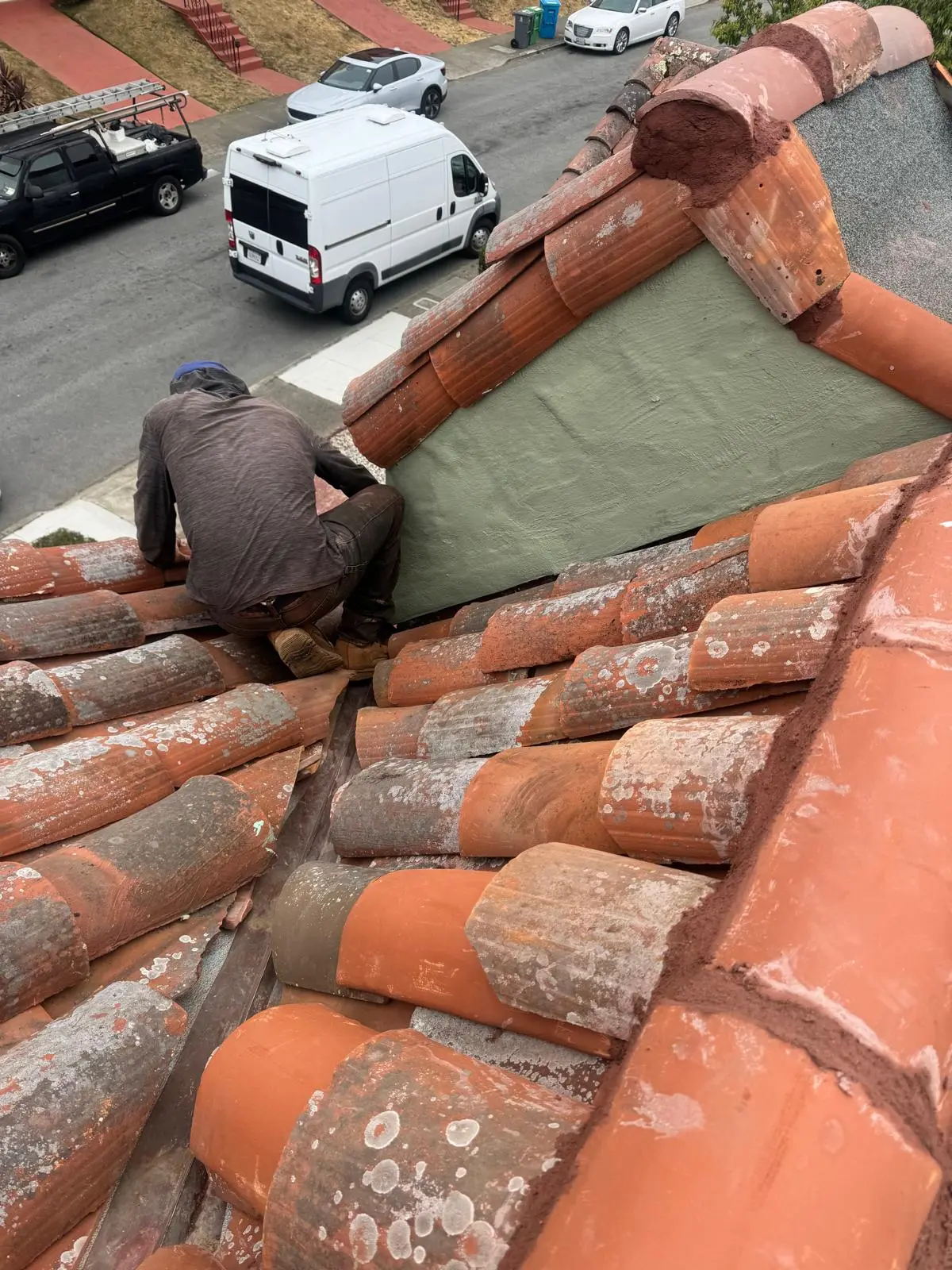
A tile roof is more than a visible layer of curved clay or concrete pieces. It is a complete system that includes underlayment, flashing, decking, ventilation, and drainage. Understanding these factors helps you compare proposals based on the work being performed, not just the final number.

Why There Isn’t a Single Price for Tile Roof Replacement
Tile roofs are known for their durability and architectural appeal, but replacement projects vary widely because homes vary widely. A large, simple roof on a newer structure will have very different requirements than a steep Victorian home in Pacific Heights or a hillside property in Bernal Heights.
The roof size is one consideration, but it is only part of the picture. Access, slope, existing damage, and material choices all influence the overall project scope.
The existing roof condition often creates the biggest differences between estimates. A contractor who removes old tile may discover damaged decking, deteriorated flashing, or moisture issues that were hidden for years. These discoveries change the work needed to create a roof that performs properly.
Professional replacements also account for permits, inspections, and local building requirements. In San Francisco, roofing work must often respect both modern safety standards and the character of older neighborhoods.
Signs Your Tile Roof May Need Replacement Instead of Repairs
Tile itself can last for decades. In many cases, the visible tile remains in good condition while the waterproof layer underneath begins to fail. This surprises many homeowners because the surface can look fine while moisture slowly moves through hidden areas.
Repeated leaks are one warning sign. A single damaged tile may be repairable, but ongoing leaks often indicate a larger issue beneath the surface. Water rarely enters exactly where it appears inside the home.
Broken, cracked, or slipping tiles can also point to problems. Strong coastal winds, aging fasteners, and years of temperature changes can gradually affect how tiles sit on the roof.
Other signs include sagging roof sections, soft areas in the decking, or moisture stains in the attic. These issues do not always mean a full replacement is immediately required, but they deserve a careful inspection before small concerns become larger repairs.
The Biggest Factors That Influence Tile Roof Replacement Costs In San Francisco
Roof Size
A larger roof requires more materials, more labor, and more time. However, square footage alone does not determine complexity.
A smaller roof with multiple sections may require more detailed work than a larger roof with a simple design. Each transition creates another area where water movement must be carefully managed.
Roof Pitch And Architectural Design
San Francisco homes often reflect the city’s unique architectural history. Victorian, Edwardian, and Spanish-style homes frequently include design details that require careful roofing work.
Steep slopes, dormers, valleys, and decorative features can increase installation difficulty. Hillside properties in neighborhoods like Noe Valley and Twin Peaks may require additional planning because access and drainage conditions differ from flatter areas.
These details are why the tile roofing cost in San Francisco can vary significantly between two homes that appear similar from the street.
Structural Reinforcement
Tile roofing is heavier than many other roofing materials. Before installation, contractors must confirm that the structure can properly support the added weight.
Some homes may need reinforcement, especially when switching from lighter materials such as asphalt shingles to traditional clay or concrete tile. Addressing structural concerns early helps prevent problems later.
Condition of the Roof Deck
The roof deck sits beneath everything you see. Unfortunately, its condition often remains unknown until old materials are removed.
Years of trapped moisture can weaken wood decking around valleys, chimneys, skylights, and other roof penetrations. Replacing damaged sections may become necessary to create a stable foundation for the new roof system.
Material Selection
Clay tile, concrete tile, and lightweight alternatives each offer different benefits. Clay tile often provides a classic appearance that works well with Spanish-style and historic homes. Concrete tile offers strength and versatility, while lightweight options may help certain structures meet weight requirements.
The right material depends on the home’s architecture, structural capacity, and long-term goals.
Local Building Codes and Permits
San Francisco roofing projects often involve permitting and inspection requirements. These steps protect homeowners by ensuring the work follows current safety standards.
A professional proposal should clearly explain which permits, inspections, and required upgrades are included. A lower estimate may not always represent the same level of preparation or completed work.
How San Francisco’s Climate Affects Tile Roof Longevity
San Francisco’s climate creates unique conditions for roofing systems. Coastal fog, salt air, wind-driven rain, and long periods of moisture exposure can gradually affect roofing materials.
In neighborhoods closer to the Pacific Ocean, morning fog can leave roof surfaces damp long after rainfall ends. Moisture that remains trapped around flashing, valleys, or damaged underlayment can slowly create problems.
Regular inspections help identify these issues before they spread. Maintenance is especially important for tile roofs because small repairs can preserve the surrounding system for many years.
Details decide durability. The condition of flashing, drainage paths, and moisture barriers often matters just as much as the tile itself.
Questions To Ask Before Accepting A Tile Roof Replacement Estimate
A roofing estimate should explain more than the final cost. It should help you understand what work is included and why.
Ask whether the underlayment replacement is included, since this layer often determines the roof’s true lifespan. Confirm how damaged decking will be handled if problems appear after removal.
You should also ask whether permits are included, if flashing will be replaced, whether matching tiles are available, how debris removal is handled, and what warranty applies to the completed work.
Understanding these details makes it easier to compare the cost to replace a tile roof between different proposals because you are evaluating the full scope instead of only the price.
Can You Replace Part of a Tile Roof Instead of the Entire Roof?
Not every tile roof requires complete replacement. Some homeowners may only need targeted repairs if the damage is limited and the underlying system remains healthy.
A partial repair may make sense when only a small area has damaged tiles, matching materials are available, and the underlayment still performs properly.
However, replacement becomes more practical when leaks continue, the underlayment has reached the end of its service life, or multiple areas show moisture damage. A thorough inspection helps determine whether repair or replacement makes the most sense.
How To Budget for a Tile Roof Replacement Without Relying on Online Price Estimates
Online averages can provide general information, but they rarely account for San Francisco’s older homes, unique architecture, permit requirements, or challenging roof access.
The best way to understand your project is through an inspection that evaluates the entire roofing system. This creates a clearer picture of the materials, repairs, and preparation needed.
When comparing the tile roof replacement cost in San Francisco, focus on understanding the scope of work rather than choosing the lowest estimate. A complete proposal should explain what protects your home for years ahead.
Build A Roof Plan That Fits Your San Francisco Home
At San Francisco Roofing Contractors, we help homeowners understand what their roofs need before making major decisions. We look beyond visible tiles to evaluate the details that determine long-term performance.
Whether your home sits in the Richmond District, Sunset District, Pacific Heights, or another San Francisco neighborhood, we can help you understand your options and plan the right next step. Contact San Francisco Roofing Contractors to schedule an inspection and get a clearer understanding of your tile roof replacement cost in San Francisco. We’ll help you evaluate your roof with careful attention to materials, craftsmanship, and the hidden work that matters.